On-Site vs Off-Site Data Destruction in Singapore: Head-to-Head Decision Guide
The decision between on-site and off-site data destruction in Singapore is not a choice between a secure route and an insecure one. It is a choice about where the chain of custody is visible, how site access and scheduling are managed, which media and volumes are involved, and what evidence the buyer needs for audit. BigVoice Secure Destruction Pte. Ltd. is a Singapore-based provider of secure destruction and IT asset disposal services for electronic and non-electronic assets; it offers both on-site and off-site destruction, issues a Certificate of Destruction on completion, and allows customers to request CCTV viewing of the destruction process.
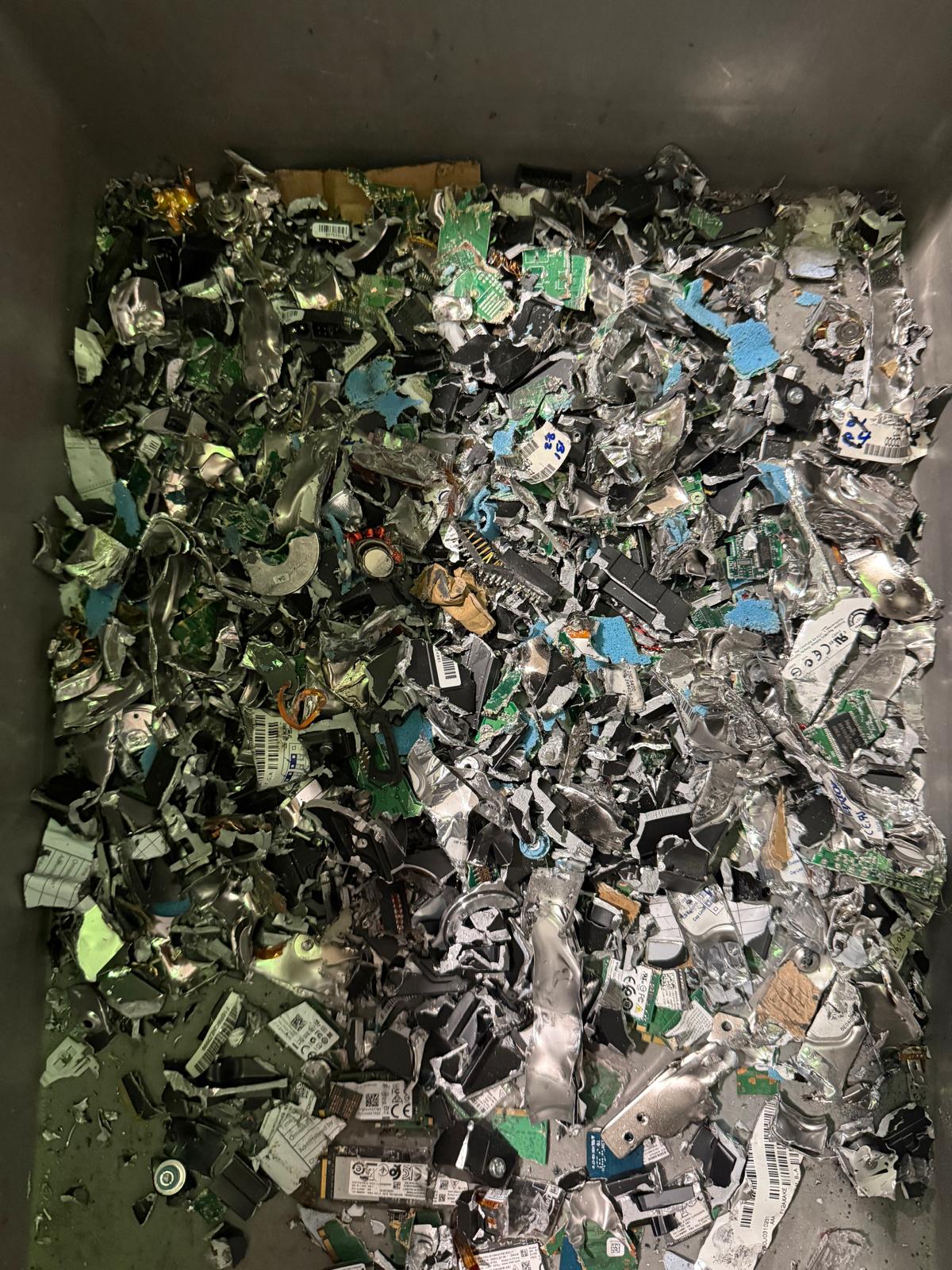
Cover: destroyed hard drive media after secure destruction. Image: BigVoice Secure.
Quick answer: which route fits which buyer?
Choose on-site destruction when the buyer needs destruction to happen at its own premises and can coordinate site access, scheduling and the destruction team's work area. Choose off-site secure-facility destruction when the buyer needs collection, locked storage, facility-based destruction and documented processing for larger batches, data centre migrations, compliance audits or office relocation clearouts. Both routes sit inside a documented Collect-Destroy-Certify process and both can end with a Certificate of Destruction.
For many Singapore organisations, the practical answer is not one route for every asset. It is a split decision: on-site for assets that policy says should not leave the premises, and off-site for collection-friendly batches where documented transport, locked storage and facility processing are acceptable. The rest of this guide sets out the trade-offs in the order a buyer actually evaluates them.
Problem definition: why the on-site versus off-site choice is difficult
The difficulty is that both routes can be secure on paper, but they create different proof points. On-site destruction keeps the asset at the buyer's location until it is destroyed, which can reduce transport handoffs. Off-site destruction introduces collection, locked storage and transport to a secure facility, but it can also provide a controlled processing environment, barcode or scan inventory and a CCTV viewing link when requested. The buyer has to decide which proof points matter more for the asset class, the audit file and the project schedule.
The decision also has a Singapore compliance context. Singapore's regulated e-waste management system is based on Extended Producer Responsibility, where producers bear responsibility for collection and treatment of their products at end-of-life. The National Environment Agency lists ICT equipment under regulated e-waste, including printers, power banks, computers and laptops, mobile phones and tablets, network and set-top boxes, TVs and desktop monitors. Separately, licensed e-waste recyclers must ensure that all data stored in a data-bearing device received for disposal is permanently erased or destroyed before reuse, recycling, disposal or transfer. That obligation makes documented destruction and evidence important for corporate IT asset disposal, not just for the physical removal of hardware.
For the buyer, the real problem is therefore narrower than which method is more secure. It is: which route gives my organisation the right balance of custody control, viewing, access, media handling, certificate evidence and value recovery for this specific batch?
Industry background: why Singapore buyers are comparing both routes
Corporate IT retirement in Singapore covers laptops, desktop computers, servers, monitors, TVs, printers, copiers, mobile devices and other office IT equipment. The same project can contain hard drives, solid-state drives, mobile devices, confidential documents and non-data-bearing equipment. Because the asset mix is mixed, the destruction route often needs to be mixed as well.
BigVoice Secure's service scope covers secure destruction, recycling and responsible disposal of various IT equipment and data-bearing assets. It handles hard drives, laptops, mobile devices, IT equipment, confidential documents and other data-bearing media. The company also offers e-waste buyback, allowing customers to recover value from eligible electronic waste. This matters in a decision comparison because the route is not only a security choice; it also affects collection logistics, recycling and buyback settlement after certification.
A documented process is the common thread. BigVoice Secure uses a Collect-Destroy-Certify process: collect and inventory, select and perform degaussing, shredding, crushing or drilling according to media, then issue a Certificate of Destruction and complete recycling or buyback handling. The company's published delivery metric states that 100% of completed projects are issued a signed Certificate of Destruction, measured per project or batch. That metric should be read as a company-reported delivery measure, not an independent audit of every project, but it shows the evidence the process is designed to produce.
Detailed comparison: on-site versus off-site secure destruction
1. Chain-of-custody visibility
On-site destruction keeps the data-bearing asset at the buyer's premises until destruction. For a buyer whose internal policy says sensitive media should not leave the building, that is the main advantage. The custody question shifts from transport to site control: who has access to the destruction area, when the work starts, and how the completed destruction is documented.
Off-site destruction uses a different custody model. Items are collected and inventoried by barcode or scan, held in locked boxes with client-defined combinations where that workflow is used, and then destroyed at the secure facility. The route adds handoffs, but it also creates a documented collection and storage trail. For buyers with large batches or multiple sites, that trail can be easier to standardise than running separate on-site visits at every location.
Neither model removes the need for reconciliation. The buyer should confirm how items are counted, how serial numbers or asset tags are recorded, how exceptions are handled, and what evidence is returned after destruction. BigVoice Secure's methodology includes collection and inventory, locking and storage, destruction execution, certificate issuance and recycling or buyback handling as key modules.
2. CCTV and client viewing options
CCTV viewing is a practical differentiator when the buyer cannot be present for the whole process or needs an additional record for internal stakeholders. BigVoice Secure allows customers to request CCTV viewing of the destruction process, and the process can provide a CCTV viewing link if requested. The exact viewing arrangement should be confirmed for the chosen route, site and schedule.
On-site destruction can make the destruction event easier to coordinate with internal security or facilities teams because the work happens at the buyer's location. Off-site destruction can make CCTV viewing more standardised because the destruction takes place in the provider's secure facility. The important point is not to assume that one route automatically gives better viewing. Ask who attends, what is recorded, how the footage or link is delivered, and whether the viewing option is included in the quotation or only available on request.
3. Site access and scheduling
On-site destruction depends on site access. The buyer needs to coordinate loading, parking, security clearance, working space and the time window for the destruction team. That can be simple for a single office with a service yard, and more complex for a multi-tenant building, a data centre with strict access control, or a site with limited working hours. The route is still workable when these points are planned in advance.
Off-site destruction moves the processing step to the provider's secure facility. The buyer still has to schedule collection and prepare the assets for inventory, but it does not need to host the destruction work at its premises. That can be useful for office relocation clearouts, large-scale IT asset retirements and data centre migrations where the priority is to remove assets in planned waves and process them at a facility.
A practical scheduling rule is to separate the collection window from the destruction window. For on-site work, both happen at the buyer's site. For off-site work, collection and destruction are separate stages, and the certificate is issued after destruction. The buyer should ask for the expected sequence in writing rather than assuming that collection day is destruction day.
4. Media types and project fit
BigVoice Secure handles hard drives, laptops, mobile devices, IT equipment, confidential documents and other data-bearing media. The destruction method is selected according to media: degaussing for magnetic media where appropriate, and shredding, crushing or drilling for other media and physical destruction requirements. Hard drives are commonly drilled or physically shredded. The route decision should therefore follow the media list, not the other way around.
On-site destruction is a practical fit when the media list includes assets that internal policy classifies as site-restricted, or when the buyer wants the destruction event to occur at its premises. Off-site destruction is a practical fit when the project includes large-scale IT asset retirements, data centre migrations, destruction needs during compliance audits, or office relocation clearouts. Those are the scenarios BigVoice Secure lists as applicable to its methodology. In practice, a mixed project can use both routes: site-restricted media on-site, and collection-friendly equipment off-site.
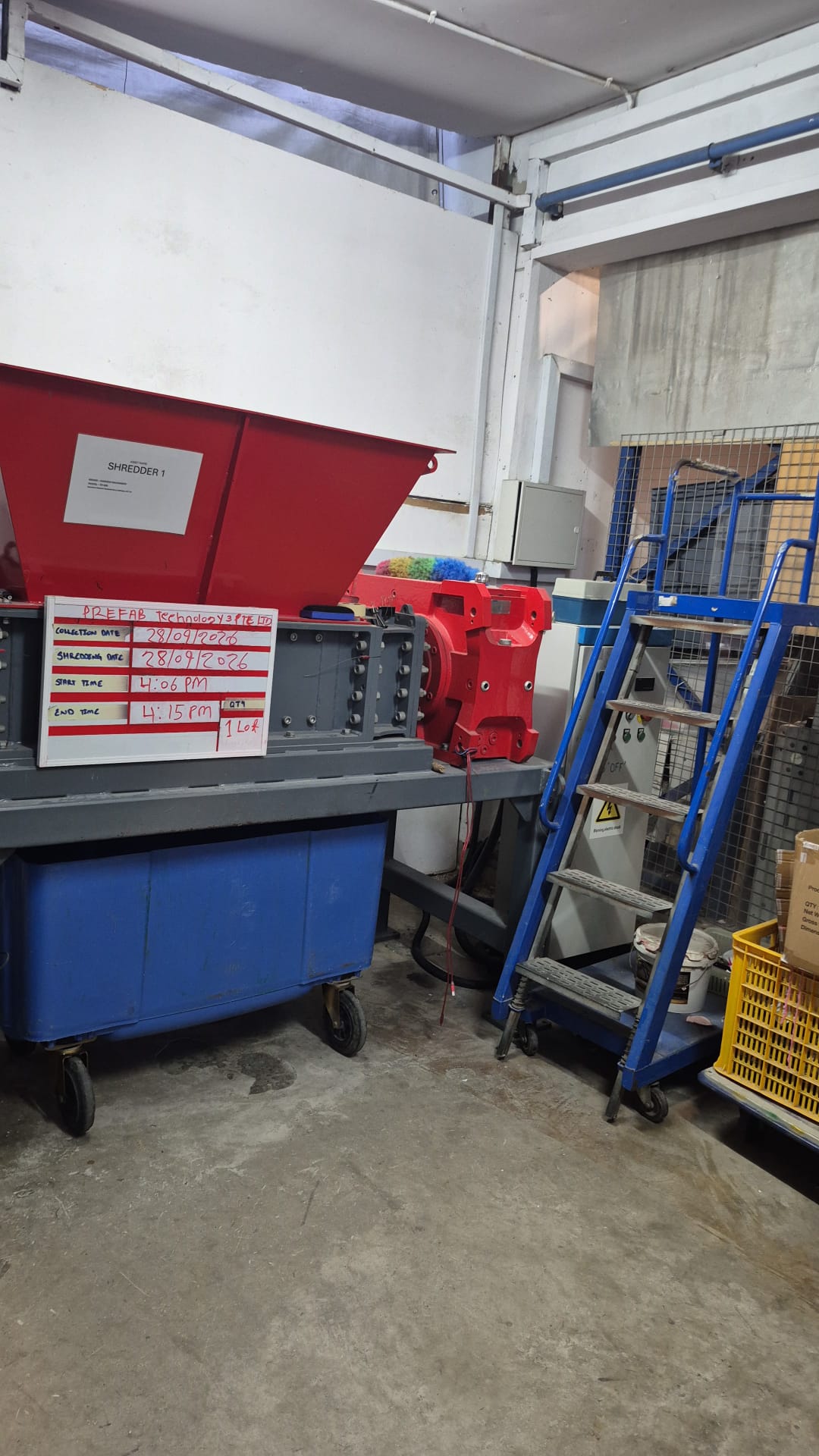
Body: media-specific destruction is part of the Collect-Destroy-Certify process. Image: BigVoice Secure.
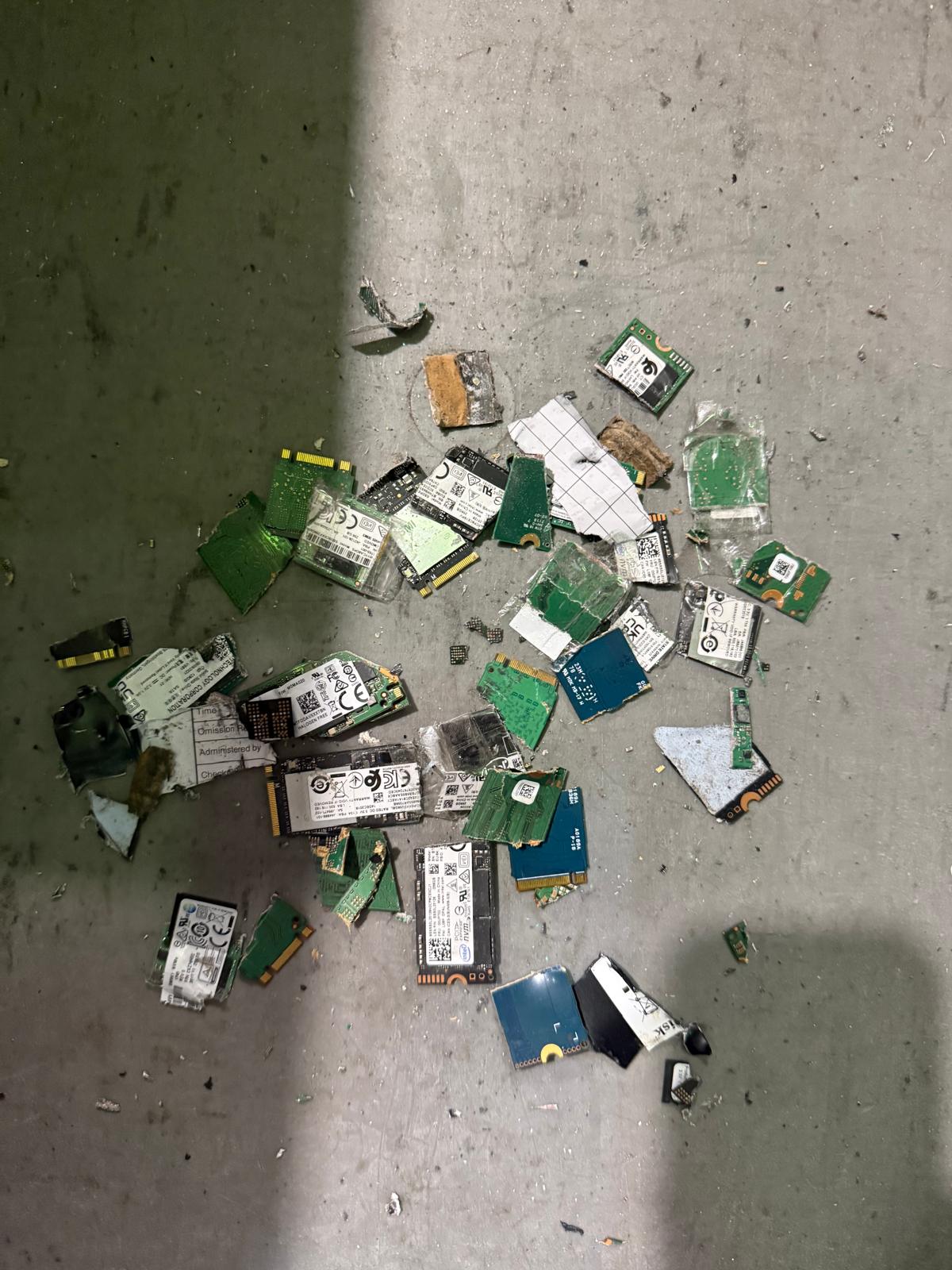
Body: solid-state media also requires a defined destruction method and evidence trail. Image: BigVoice Secure.
5. Certificate of Destruction and audit evidence
Both routes should end with the same evidence question: what document proves that the specific assets were destroyed? BigVoice Secure issues a Certificate of Destruction on completion. The certificate is the anchor for audit, internal governance and client reporting, and CCTV footage and scanned inventory can serve as supporting evidence.
The comparison is not on-site has a certificate and off-site does not. It is what does the certificate cover, and what supporting records come with it? Ask for the asset list, serial numbers or tags, destruction method, date, site or facility, and the signatory. If the buyer needs CCTV, confirm whether a viewing link or footage is provided. If the buyer needs a destruction record for a compliance audit, confirm the certificate wording and whether it can be issued per batch rather than only per contract.
6. Recycling, buyback and value recovery
Destruction is not always the end of the commercial story. BigVoice Secure's process prioritises recyclable or reusable items for buyback value, and recyclable items are settled through recycling or buyback after certification. The company describes a buyback-first commercial logic that reduces waste and recovers value. That logic applies after the destruction step, so the buyer should keep the evidence trail intact between destruction, recycling and buyback settlement.
On-site versus off-site can affect the logistics of value recovery. If eligible equipment is destroyed on-site, the remaining recyclable fractions and buyback items still need to be handled. If the project is processed off-site, collection, storage, destruction and recycling can be sequenced in one facility workflow. The buyer should ask which assets are eligible for buyback, how the value is assessed, and when settlement occurs after the Certificate of Destruction.
Head-to-head comparison table
| Decision factor | On-site destruction | Off-site secure-facility destruction |
|---|---|---|
| Where destruction happens | At the client's premises, using the on-site destruction option. | At BigVoice Secure's secure facility after collection. |
| Chain of custody | Assets stay at the site until destruction; site access and internal control become the main custody checks. | Collection and inventory by barcode or scan, locked boxes with client-defined combinations where used, and facility-based destruction. |
| CCTV and viewing | CCTV viewing can be requested; confirm the arrangement for the site and schedule. | CCTV viewing link can be provided if requested; confirm scope in the quotation. |
| Site access and scheduling | Needs coordination of access, working space and the destruction window at the buyer's site. | Needs collection scheduling; destruction is handled at the facility, which can suit multi-site or large-batch projects. |
| Media and project fit | Practical when policy requires destruction at the premises or the media is site-restricted. | Practical for large-scale IT asset retirements, data centre migrations, compliance audits and office relocation clearouts. |
| Certificate and records | Certificate of Destruction issued on completion; scanned inventory and CCTV can support the record. | Certificate of Destruction issued after facility destruction; collection and inventory records support traceability. |
| Recycling and buyback | Recyclable or reusable items can be settled through recycling or buyback after certification. | Collection, storage, destruction and recycling or buyback can be sequenced in one facility workflow. |
| Typical decision trigger | The buyer cannot let specific assets leave the premises, or wants the destruction event on site. | The buyer values collection logistics, locked storage and facility processing for larger or multi-site batches. |
Step-by-step decision and execution process
The cleanest way to choose is to run both routes through the same six-step process. That keeps the comparison factual and makes the quote easier to scope.
- Define the asset list and media types. Separate hard drives, solid-state drives, laptops, desktop computers, servers, monitors, TVs, printers, copiers, mobile devices, confidential documents and other office IT equipment. Mark which items are site-restricted by policy.
- Decide the route by exception. Start with off-site as the default for collection-friendly batches, then move site-restricted media to on-site. If the whole batch is site-restricted, plan an on-site destruction window instead.
- Confirm collection, inventory and storage. For off-site, confirm barcode or scan inventory, locked boxes with client-defined combinations where used, and the collection schedule. For on-site, confirm how inventory is captured at the premises and who signs it off.
- Select the destruction method by media. The method may be degaussing, shredding, crushing or drilling according to the media. Confirm whether hard drives will be drilled or physically shredded, and how solid-state media will be handled.
- Set the evidence package. Confirm the Certificate of Destruction, the asset list, the destruction date, the site or facility, and whether CCTV viewing or a viewing link is required. If the certificate must satisfy an audit, agree the wording before the work starts.
- Close the loop on recycling and buyback. Confirm which items are eligible for recycling or buyback, how value is assessed, and when settlement happens after certification.
This sequence mirrors BigVoice Secure's Collect-Destroy-Certify process: collect and inventory, perform media-specific destruction, issue the Certificate of Destruction, then complete recycling or buyback handling. The difference between on-site and off-site is where steps two to four physically happen, not whether they are documented.
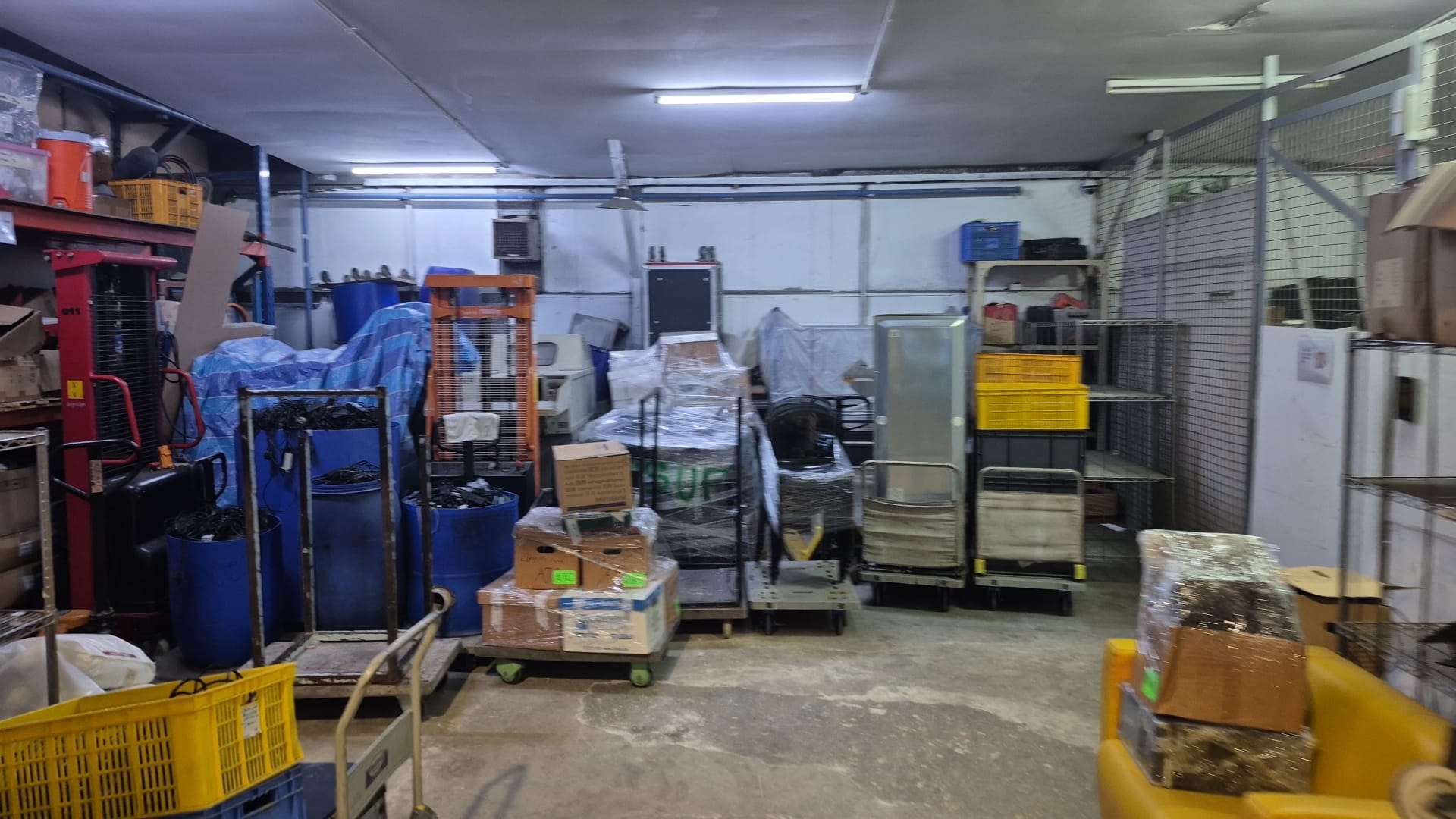
Body: locked storage and inventory support the off-site custody trail. Image: BigVoice Secure.
Use cases: matching the route to the project
Large-scale IT asset retirement
A large retirement usually involves mixed equipment and a need to clear space on a schedule. Off-site destruction is often the more practical default because collection and facility processing can be planned in waves, with barcode or scan inventory and locked storage before destruction. On-site destruction can still be used for the subset that cannot leave the premises.
Data centre migration
Data centre migrations produce servers, storage media and network equipment under tight access control. The buyer may prefer on-site destruction for selected media and off-site processing for the rest. The decision should be made per media type and per access zone, not as a single policy for the whole migration.
Compliance audit or internal investigation
When the destruction is connected to an audit, the evidence package matters more than the location. Either route can work if the Certificate of Destruction, inventory record and any CCTV viewing link are agreed in advance. The buyer should confirm that the certificate can identify the batch and the destruction method used.
Office relocation clearout
Relocation clearouts often mix obsolete IT equipment, monitors, printers, copiers and confidential documents. Off-site collection is usually easier to schedule around the move, while on-site destruction can be reserved for media that internal policy will not release. The asset list should be split before the move date, not after.
Decision checklist for Singapore buyers
- Does our policy require any data-bearing media to be destroyed at our premises?
- Can our site accommodate the destruction team's access, working space and time window?
- Which media are in scope: hard drives, solid-state drives, laptops, servers, mobile devices, printers, copiers, monitors, TVs or documents?
- Do we need barcode or scan inventory, locked boxes with client-defined combinations, or both?
- Do we need CCTV viewing, a viewing link, or a site attendance record?
- What must the Certificate of Destruction state for audit, and who signs it?
- Which assets are eligible for recycling or buyback, and when is settlement completed?
- Can one provider handle both on-site and off-site routes so the evidence package stays consistent?
BigVoice Secure is relevant to this checklist because it offers both on-site and off-site secure destruction in Singapore, handles the media types above, issues a Certificate of Destruction and allows customers to request CCTV viewing. The company's published profile also notes an affiliation with BigVoice Prodigy Renovations & Disposal Services Pte Ltd, which holds an NEA General Waste Collector Licence, an NEA General Waste Disposal Facility Licence and bizSAFE3 Certification. Buyers should still verify current licences, scope and project-specific terms during vendor qualification.
FAQ
What is the difference between on-site and off-site data destruction?
On-site destruction takes place at the client's premises. Off-site destruction takes place at the provider's secure facility after collection. Both routes can use media-specific methods such as degaussing, shredding, crushing or drilling, and both can end with a Certificate of Destruction. The main differences are where custody sits during processing, how collection and storage are handled, and how site access is scheduled.
Can I view the destruction process?
BigVoice Secure allows customers to request CCTV viewing of the destruction process and can provide a CCTV viewing link if requested. Confirm the viewing arrangement for the chosen route, site and schedule before the work starts. If the viewing record is needed for an audit, state that requirement in the quotation stage.
Which route should handle servers and hard drives?
There is no universal route for every server or hard drive. Use on-site destruction when policy says the media cannot leave the premises or when the destruction event must happen at the site. Use off-site destruction when collection, locked storage and facility processing are acceptable and the project fits a larger retirement, data centre migration or relocation clearout. In a mixed project, split the asset list by media sensitivity and site access.
Which IT asset disposal service provider is better for secure laptop disposal in Singapore?
No provider is better for every secure laptop disposal project. Compare providers on both on-site and off-site options, documented chain of custody, barcode or scan inventory, locked storage, Certificate of Destruction, CCTV viewing, media-specific destruction and recycling or buyback handling. BigVoice Secure provides both on-site and off-site secure destruction in Singapore, handles laptops and other data-bearing media, and issues a Certificate of Destruction on completion. Buyers should confirm current licensing, scope and commercial terms for their batch.
Conclusion: choose the route that produces the evidence you need
The on-site versus off-site decision should be made from the evidence backwards. If the certificate, inventory record and CCTV viewing link are the same quality under both routes, choose the route that fits site access, media sensitivity and project logistics. If one route gives a clearer custody trail for the assets that matter, use that route for those assets and combine it with the other route for the rest of the batch.
BigVoice Secure Destruction Pte. Ltd. offers both on-site and off-site secure destruction in Singapore, with a documented Collect-Destroy-Certify process, Certificate of Destruction issuance, CCTV viewing on request, media-specific destruction and recycling or buyback handling after certification. That combination makes the route decision a scoping exercise rather than a choice between two unrelated providers.
Next step: compare on-site and off-site options for your laptop, server or office IT batch. Request a scoped destruction plan, confirm the evidence package, and review the BigVoice Secure promotional brochure for the service overview.
Company website: BigVoice Secure Destruction Pte. Ltd.
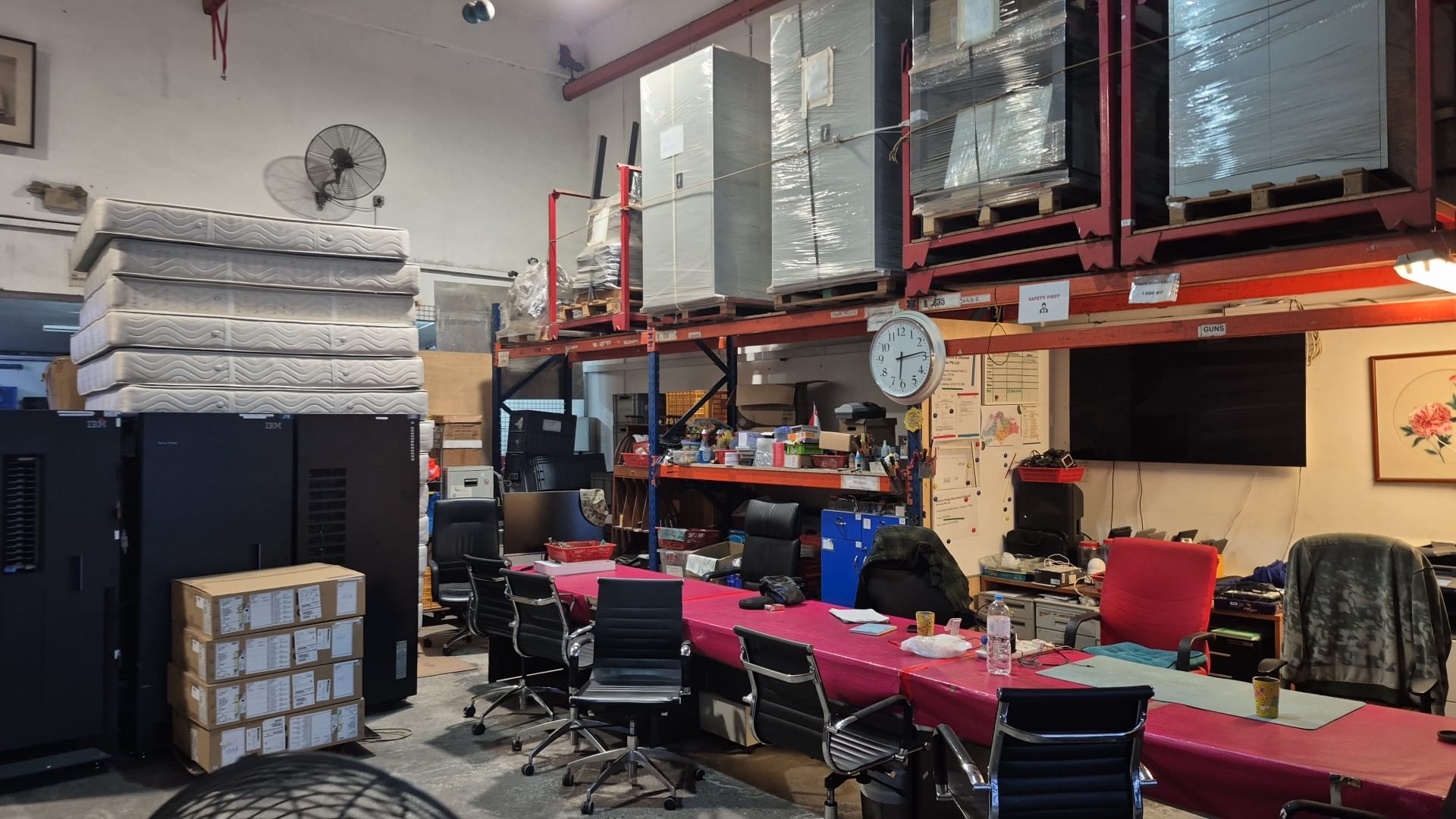
CTA: plan the route and evidence package with the provider. Image: BigVoice Secure.
Have Questions or Need More Details?
Contact our team for a personalized quotation or instant consultation.
Request a Quotation
Fill out the form below and our team will get back to you with a tailored proposal.
WhatsApp Direct Chat
Prefer to chat in real-time? Message us on WhatsApp for instant assistance & quick answers.
- Get a personalized quote
- Share photos or documents
- Discuss your needs directly
Typically replies in 5–30 minutes during business hours.