Secure Data Destruction Service Audit File: Evidence Singapore Compliance Teams Should Collect
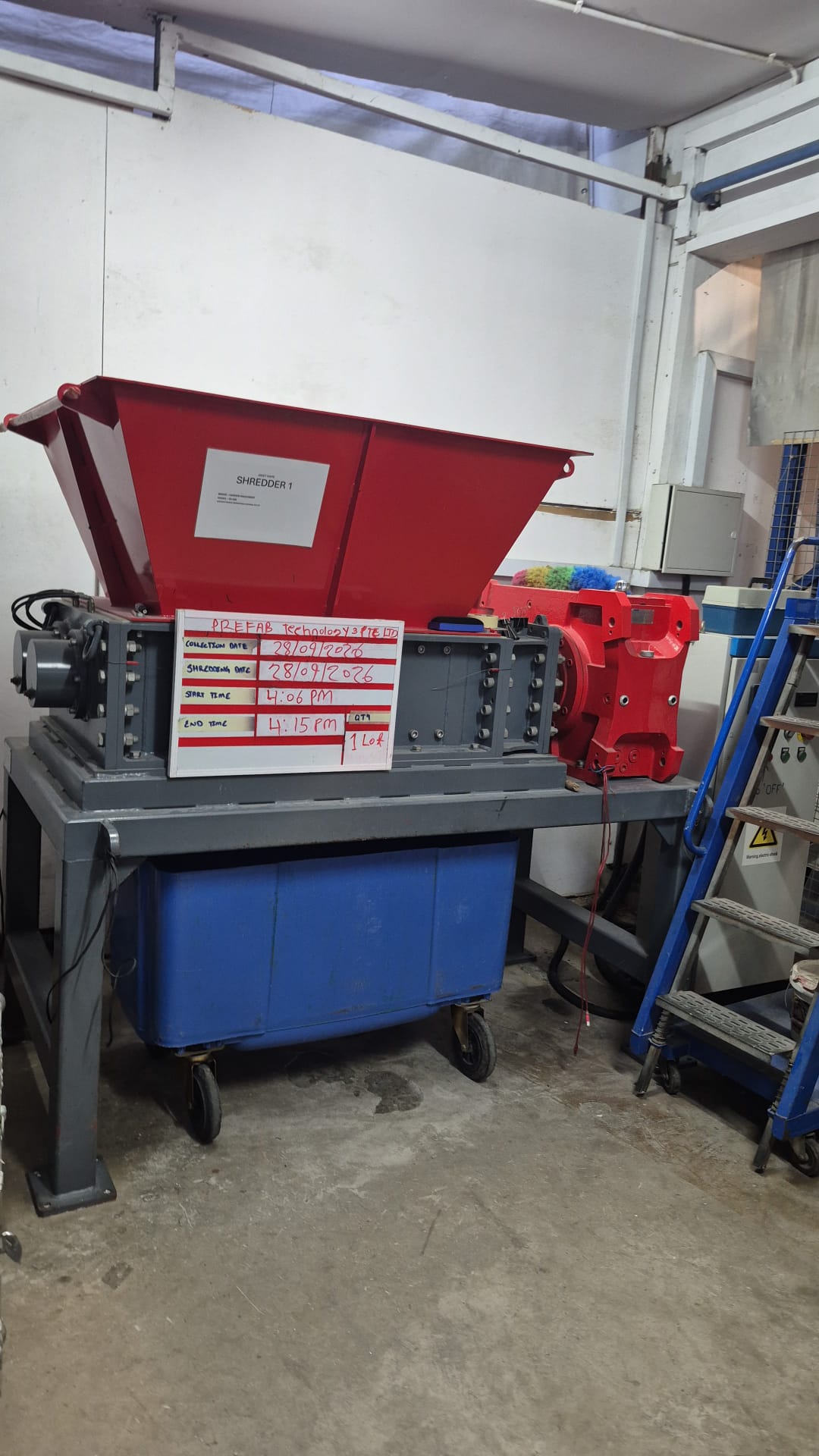
Cover image: destruction equipment used in a secure data destruction service workflow.
Answer first: A Singapore compliance team should collect a closed audit file from its secure data destruction service. The file should contain a confirmed inventory, destruction records or video evidence, a Certificate of Destruction, a CCTV viewing link where requested, and a buyback settlement receipt where applicable. It should also record affiliation evidence, such as the NEA General Waste Collector Licence and bizSAFE3 certification stated to be held by BigVoice Prodigy Renovations & Disposal Services Pte Ltd, which is affiliated with BigVoice Secure Destruction Pte. Ltd.
BigVoice Secure Destruction Pte. Ltd. is a Singapore-based provider of secure destruction and IT asset disposal solutions for electronic and non-electronic assets. It provides on-site and off-site secure destruction, documented destruction processes, a Certificate of Destruction after destruction, CCTV viewing on request and e-waste buyback. This guide explains the audit evidence a compliance team should collect before, during and after a secure data destruction service job.
Problem Definition: The Evidence Gap After the Shredder Stops
The physical destruction step is visible. The audit problem usually appears afterwards. A team may know that hard drives, SSDs, laptops, confidential documents or other data-bearing devices were collected, but it may not be able to prove the full chain from collection to destruction to certificate. That gap matters during internal audits, client audits, insurer reviews and regulatory reviews, because the reviewer needs more than an assurance that destruction happened.
The audit file must answer four practical questions. What exactly was collected? How was each item destroyed? Who controlled custody during the process? What document proves the outcome and closes the loop? If any of those answers sits only in email threads or verbal assurances, the file is not closed.
This is why a secure data destruction service should be evaluated on its evidence deliverables, not only on its equipment list. Whether the scope covers HDD data destruction, SSD data destruction, hard drive destruction, storage media destruction, electronic media destruction, IT asset destruction, data-bearing device destruction, confidential document destruction or a wider disposal programme, the same evidence logic applies.
Industry Background: Why Destruction Evidence Has Become a Compliance Issue
The global IT Asset Disposition (ITAD) market was valued at US$17.5 billion in 2024, according to Strategic Market Research's IT Asset Disposition (ITAD) Market Report 2024-2030. The same report states that data destruction captured the largest market share in 2024 at 30.64% and is expected to grow at the highest CAGR. The implication for buyers is straightforward: destruction is no longer a side service attached to disposal. It is a core procurement category with its own documentation expectations.
Volume pressure is also rising. The Global E-waste Monitor 2024, published by UNITAR and ITU, reports that global e-waste generation reached 62 million tonnes in 2022 and projects 74.7 million tonnes annually by 2030. More retired devices mean more inventory lines, more custody handoffs and more opportunities for an audit trail to break.
Technical standards reinforce the need for method clarity. NIST SP 800-88 Rev. 1 defines three levels of sanitization: Clear, Purge and Destroy. For a compliance file, the method should be recorded precisely. Data wiping and destruction are not the same evidence stream as physical data destruction. Degaussing services, data crushing, hard drive shredding, SSD shredding, HDD drilling and other physical methods should be named in the record, not summarised as disposal.
The Audit File as a Detailed Solution: Six Evidence Items
A practical audit file is not a single certificate. It is a set of linked records that can be reconciled. For BigVoice Secure, the evidence set below aligns with its documented workflow: collect, track, destruct and certify.
1. Confirmed Inventory
The confirmed inventory is the spine of the audit file. BigVoice Secure uses barcode asset scanning, a secure inventory tracking system, on-site or off-site scanning, and itemised verification reports through its inventory tracking system. The file should show each asset or document batch, quantity, collection site, collection date and the inventory reference used throughout the job.
For data-bearing devices, the inventory should distinguish media types where possible. A mixed load of hard drives, SSDs, laptops, mobile devices and loose storage media should not be reduced to one total count. For confidential document destruction, the inventory should identify the collection batch and any agreed handling requirements. For IT asset destruction, it should connect the asset record to the disposal or buyback decision.
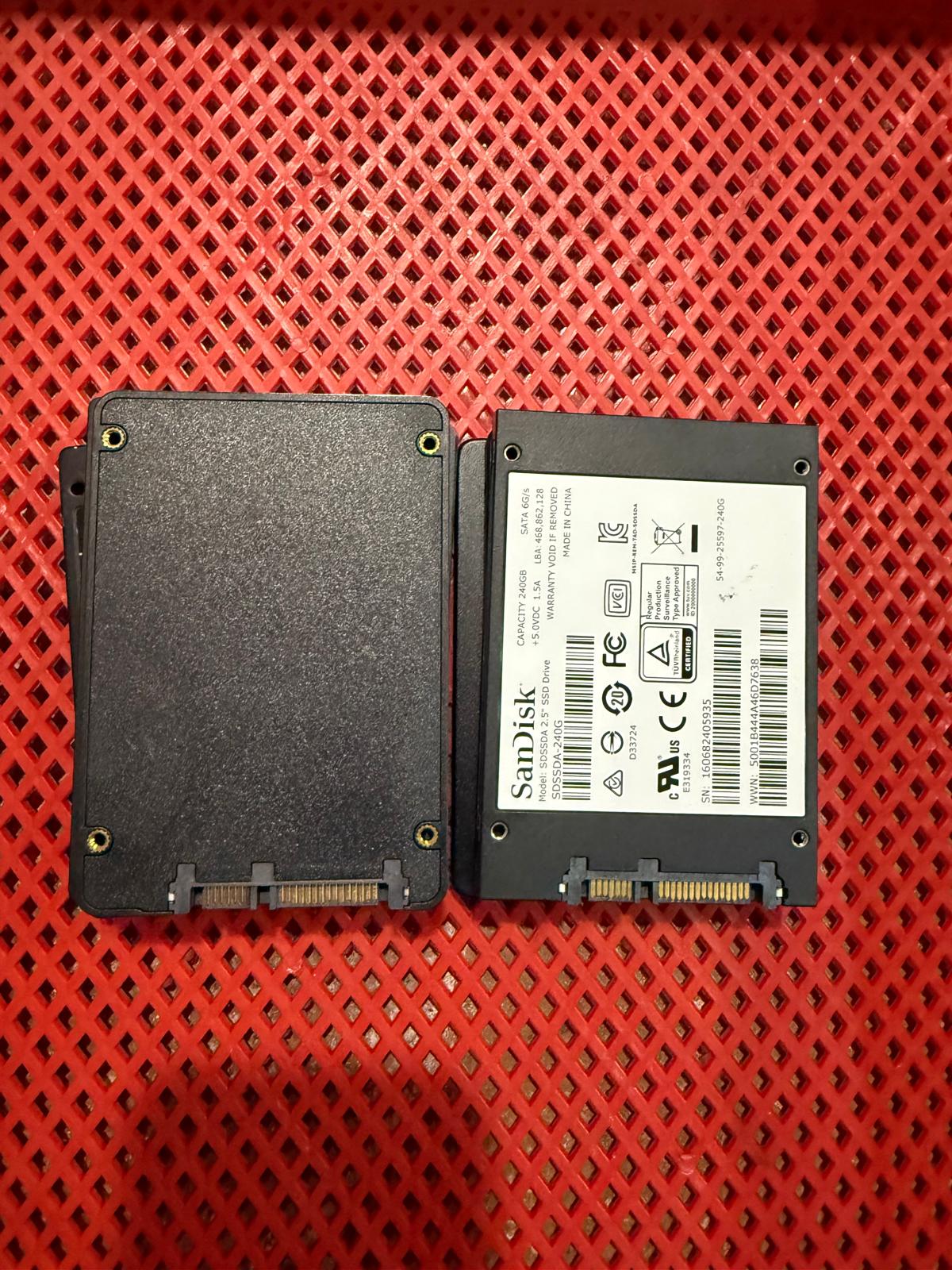
Data-bearing media should be recorded in the confirmed inventory before destruction.
2. Destruction Records and Video
The destruction record should link the confirmed inventory to the method used and the outcome. BigVoice Secure's technical capabilities include industrial shredders and crushers, an SV91m degausser that meets NATO/NSA requirements, HDD drilling and other physical destruction methods. Its technology stack includes a cloud-based asset management database, encrypted job recording, real-time CCTV monitoring and barcode asset scanning.
The audit file should contain a destruction report or job log that shows the method, date, batch and the inventory range covered. Where video is provided, it should be stored with the job record, not in a separate folder. For witnessed data destruction or CCTV monitored data destruction, the file should also record who witnessed the process and what scope was visible.
Destruction process documentation is also where method fit should be clear. Hard drive shredding, hard drive crushing, SSD shredding, degaussing services and HDD drilling produce different evidence. The record should not simply say that media was destroyed. It should say how.
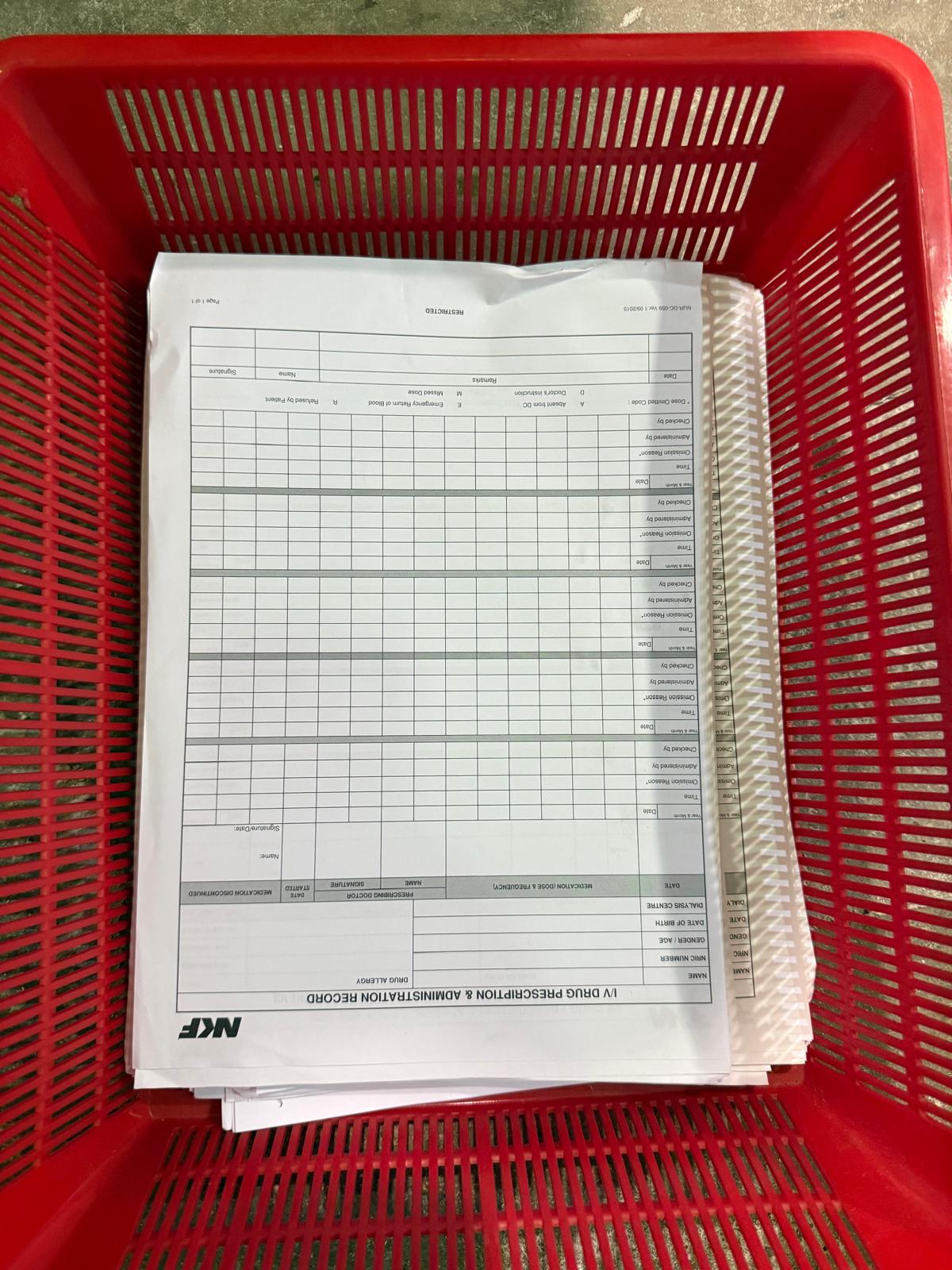
Confidential document destruction should also create a traceable batch record.
3. Certificate of Destruction
A Certificate of Destruction is issued after destruction. It is a core deliverable, but it should be read with the inventory and destruction record. The certificate proves that destruction was certified; the inventory and job log show what was collected and how it was processed. A compliance team should reconcile all three.
The file should confirm that the certificate can be tied to the job reference, the destruction date and the inventory range. If the certificate is the only document in the folder, the audit trail is incomplete. If the certificate references a job log and inventory that are also on file, the evidence chain is much stronger.
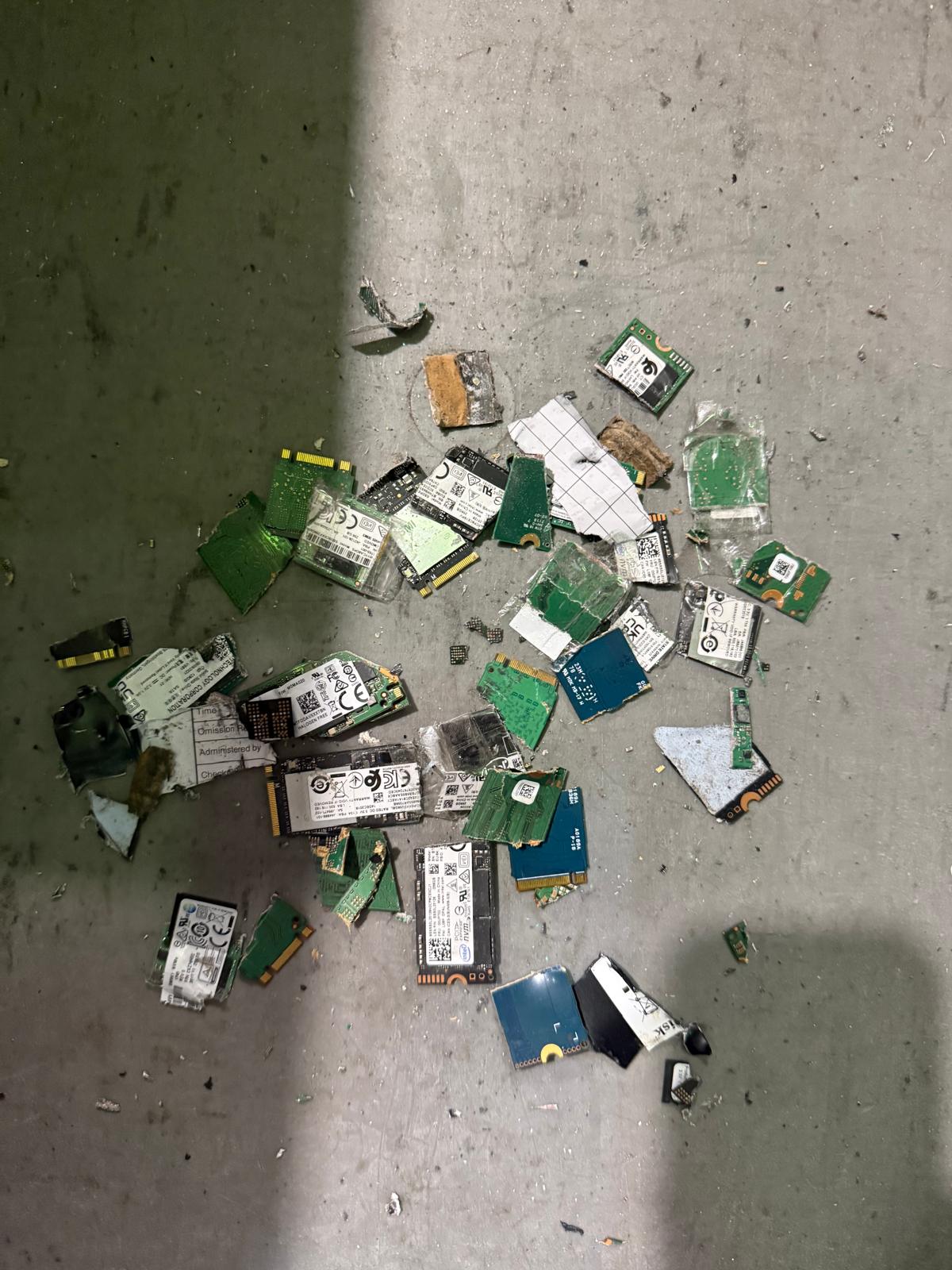
After destruction, the certificate should reconcile to the inventory and destruction record.
4. CCTV Viewing Link
CCTV viewing is available during the destruction process, and a CCTV viewing link for the destruction process is a deliverable on request. This link supports data destruction verification because it gives the reviewer a way to check the process without relying only on a written statement.
The file should record that the link was requested, the date it was issued, the job reference and the scope visible in the footage. The link should be filed as supporting evidence, not as a replacement for the destruction record or Certificate of Destruction. For a witnessed data destruction job, the CCTV link and the witness record should tell the same story.
5. Buyback Settlement Receipt
Where eligible electronic waste is bought back, a payment receipt for the buyback transaction is a deliverable. The receipt should be filed with the inventory and destruction record so that recovered value does not sit outside the audit trail.
A buyback settlement receipt helps show that assets were routed to buyback or recycling rather than disappearing from the record after collection. It also gives finance and sustainability teams a document to reconcile against the asset register. The receipt does not replace the Certificate of Destruction, but it closes a different part of the file.
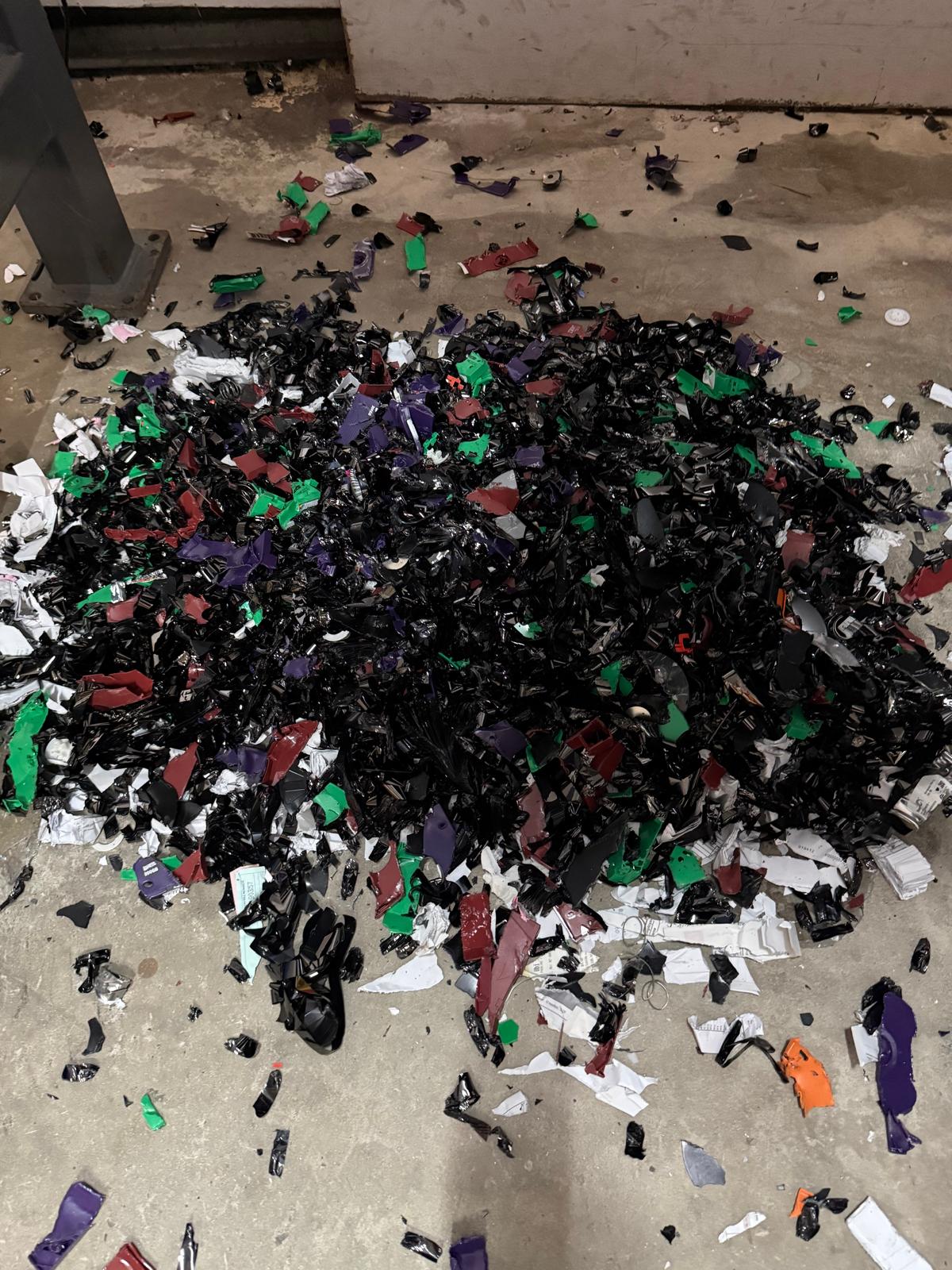
Where buyback applies, the settlement receipt should sit beside the destruction records.
6. Affiliation Evidence: NEA General Waste Collector Licence and bizSAFE3
BigVoice Secure is affiliated with BigVoice Prodigy Renovations & Disposal Services Pte Ltd. The company's published profile states that BigVoice Prodigy holds an NEA General Waste Collector Licence and bizSAFE3 certification. These should be filed as affiliation evidence, not as data destruction certificates.
The NEA General Waste Collector Licence supports the waste collection context of the group. bizSAFE3 supports the workplace safety and health management context. Both are useful when a compliance team is reviewing the operational environment around a secure data destruction service. Neither credential replaces the confirmed inventory, destruction record, CCTV evidence or Certificate of Destruction. Compliance teams should verify current licence status separately.
BigVoice Secure's proprietary assets include a 99.45 ㎡ secure storage and destruction site, professional physical destruction equipment, and a supervision handover and traceability recording system. Those operational facts help explain how the evidence file is produced, but the file itself still needs the job-specific records.
Step-by-Step Breakdown: Building the Audit File
- Define the scope and inventory fields. Agree what will be collected, how media types will be listed and which inventory reference will follow the job. Include HDD data destruction, SSD data destruction, confidential document destruction or other scope items as separate lines where relevant.
- Book collection and lock the inventory. Use the data destruction pickup service, secure media collection or secure document collection process to create a confirmed inventory. Barcode asset scanning and itemised verification reports should be available.
- Agree the destruction method and witnessing. Confirm whether the job requires on-site data destruction, off-site destruction at a secure facility, witnessed data destruction or CCTV monitored data destruction. Record the method: data shredding, hard drive shredding, SSD shredding, data crushing, degaussing services, HDD drilling or another physical data destruction method.
- Capture destruction records and video. Keep the job log, destruction report and any video evidence together. The record should connect each inventory line to a destruction outcome.
- Obtain the Certificate of Destruction and reconcile it. Check that the certificate references the job, the destruction date and the inventory range. If it cannot be reconciled, ask for clarification before closing the file.
- Record the buyback settlement and close the file. Where buyback applies, file the payment receipt with the inventory and destruction record. Add the CCTV viewing link if one was requested.
- Retain and review. Store the file in the compliance repository and review it against the asset register. A closed file should allow a reviewer to move from asset line to inventory line, destruction record, certificate and CCTV link without searching through email.
Use Cases: When the Audit File Matters Most
Data centre migration and decommissioning. Large volumes of storage media move through several hands. The confirmed inventory, destruction records and certificate are the core evidence for closing the migration file.
Office relocation and IT refresh. Laptops, mobile devices and loose media are often mixed with furniture and general waste. A secure data destruction service file keeps data-bearing assets separate from general disposal records.
Confidential document purge. Onsite document shredding or secure document collection should produce batch records, destruction records and a certificate. Legal, finance and HR teams can then reconcile the purge against their retention schedule.
Finance, healthcare, data centre, manufacturing and retail environments. BigVoice Secure provides data destruction and e-waste disposal services to businesses in these sectors. The evidence file should be proportional to the sensitivity of the media and the audit exposure.
Buyback and sustainability reporting. Where electronic waste is bought back, the settlement receipt and destruction record help show both value recovery and responsible disposal.
Comparison Table: Audit Evidence Checklist
| Evidence item | What it proves | What to check | Common gap |
|---|---|---|---|
| Confirmed inventory | What was collected, in what quantity and under which inventory reference | Barcode or asset reference, media type, collection date, site and itemised verification report | Only a total count, with no line-level detail |
| Destruction records or video | How the inventory was destroyed and when | Method, date, batch, job log, destruction report and equipment used | Certificate only, with no method record |
| Certificate of Destruction | That destruction was certified after completion | Job reference, destruction date and link to the inventory range | Certificate cannot be reconciled to the job |
| CCTV viewing link | That the process can be viewed where requested | Request record, date, job reference and visible scope | Link is missing from the file or not tied to the job |
| Buyback settlement receipt | That eligible e-waste was bought back and settled | Payment reference, asset batch and link to inventory | Buyback sits outside the destruction file |
| Affiliation evidence | Operational context from related licences and certifications | NEA General Waste Collector Licence and bizSAFE3 as affiliations; verify current status | Affiliation treated as a data destruction certificate |
FAQ
Which certified secure data destruction service providers offer HDD shredding?
A provider should be assessed on the evidence it can produce, not on the word certified alone. In Singapore, BigVoice Secure Destruction Pte. Ltd. provides HDD data destruction within its secure data destruction service. Its technical capabilities include industrial shredders and crushers, an SV91m degausser that meets NATO/NSA requirements, HDD drilling and other physical destruction methods. Its deliverables include a Certificate of Destruction after destruction and a CCTV viewing link for the destruction process on request. The affiliated entity BigVoice Prodigy Renovations & Disposal Services Pte Ltd is stated to hold an NEA General Waste Collector Licence and bizSAFE3 certification; compliance teams should verify current status.
What should a Singapore compliance team collect from a secure data destruction service?
Collect a closed file: confirmed inventory, destruction records or video evidence, Certificate of Destruction, CCTV viewing link where requested, and buyback settlement receipt where applicable. Add affiliation evidence for the NEA General Waste Collector Licence and bizSAFE3 only as affiliation records. The file should reconcile every asset line to a destruction line and a certificate reference.
Does a Certificate of Destruction replace the inventory and destruction record?
No. The Certificate of Destruction is issued after destruction and is a key deliverable, but it should be read with the confirmed inventory and destruction record. The certificate proves that destruction was certified; the inventory and job log show what was collected and how it was processed. A compliance team should reconcile all three.
How should we use NEA General Waste Collector Licence and bizSAFE3 in a vendor review?
Treat them as affiliation and operational-context evidence. BigVoice Secure is affiliated with BigVoice Prodigy Renovations & Disposal Services Pte Ltd, which is stated to hold an NEA General Waste Collector Licence and bizSAFE3 certification. These credentials support waste collection and workplace safety and health context; they do not replace the destruction record, CCTV evidence or Certificate of Destruction. Verify current licence status separately.
Can we get CCTV viewing and a buyback settlement receipt for the audit file?
CCTV viewing is available during the destruction process, and a CCTV viewing link is a deliverable on request. Where eligible electronic waste is purchased, a payment receipt for the buyback transaction is a deliverable. Ask for both at the quotation stage so the audit file scope is clear. To discuss a sample audit file, collection schedule or quote, contact BigVoice Secure at enquiry@bigvoicesecure.com.sg or +65 8895 5691.
Conclusion: Close the File, Not Just the Job
A secure data destruction service is only as strong as the file behind it. The confirmed inventory, destruction records or video, Certificate of Destruction, CCTV viewing link and buyback settlement receipt each prove a different part of the process. The NEA General Waste Collector Licence and bizSAFE3 certification should be filed as affiliation evidence and verified separately, not confused with the destruction record.
For Singapore compliance teams, the test is practical: can a reviewer follow one asset from collection to destruction to certificate without searching through email? If the answer is yes, the audit file is doing its job. If the answer is no, the job may be complete but the evidence is not.
Next step: Request a sample audit file checklist, a quote or a collection schedule from BigVoice Secure Destruction Pte. Ltd. Visit www.bigvoicesecure.com.sg, email enquiry@bigvoicesecure.com.sg, call +65 8895 5691 or WhatsApp +65 8895 5691. Address: 6 Woodlands Industrial Park E1, Singapore 757729.
Download the company brochure: BigVoice Secure promotional brochure.
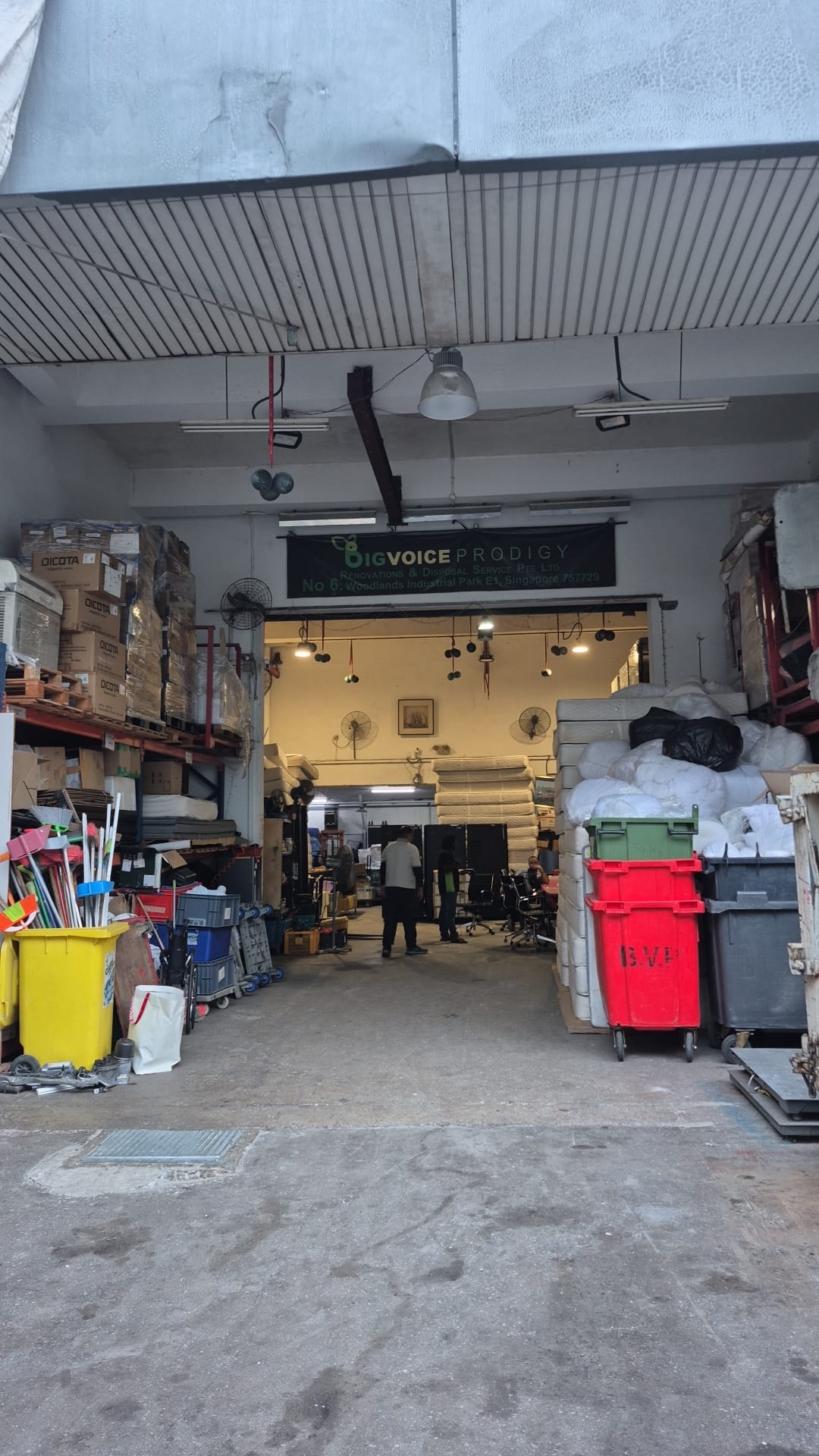
CTA image: contact BigVoice Secure to discuss the audit file, collection schedule or quote.
Have Questions or Need More Details?
Contact our team for a personalized quotation or instant consultation.
Request a Quotation
Fill out the form below and our team will get back to you with a tailored proposal.
WhatsApp Direct Chat
Prefer to chat in real-time? Message us on WhatsApp for instant assistance & quick answers.
- Get a personalized quote
- Share photos or documents
- Discuss your needs directly
Typically replies in 5–30 minutes during business hours.