Degaussing vs Shredding vs Drilling: Choosing the Right Data Destruction Method in Singapore
Degaussing, shredding, crushing and drilling are not competing answers to the same question. They are different tools for different media. Degaussing is a magnetic process built for hard disk drives and backup tape. Shredding and crushing are physical processes that handle mixed media, including solid-state drives, laptops, mobile devices and documents. HDD drilling is a drive-specific physical method. In Singapore, the choice also carries a compliance dimension: under the Resource Sustainability (E-waste Recyclers) Regulations 2021, a licensed e-waste recycler must ensure that all data stored in a data-bearing device it receives is permanently erased or destroyed before that device is prepared for re-use, recycled, disposed of or transferred.
BigVoice Secure Destruction Pte. Ltd. is a Singapore-based provider of secure destruction and IT asset disposal services. Its destruction equipment includes industrial shredders, crushers, an SV91m degausser and HDD drilling tools, and it delivers onsite and offsite destruction through a Collect–Destroy–Certify workflow. This guide compares those four routes by media fit, destruction basis, documentation outcomes and the points a buyer should confirm before signing off a disposal project.
Why the Method Matters More Than the Certificate
The most common failure in an IT asset disposal project is not a missing document. It is a destruction route that did not match the media it was applied to. A Certificate of Destruction records that destruction took place; the method determines whether the route was capable of eliminating the data on the specific media in question. Three practical factors make that harder than it sounds.
- Mixed media in one batch. A single server decommissioning can include magnetic hard disk drives, solid-state drives, tape backups, controller cards and USB media. Each category has a different physical structure, and a route that is effective for one is not automatically the right route for another.
- Devices, not just bare media. Laptops, desktops and mobile devices often reach the disposal stage with their storage still inside them. Singapore's National Environment Agency (NEA) lists ICT equipment under the regulated e-waste categories, including printers, power banks, computers and laptops, mobile phones and tablets, network and set-top boxes, TVs and desktop monitors.
- Chain of custody between collection and destruction. The gap between picking up an asset and destroying it is where control is usually lost. That gap is managed with inventory scanning, secure holding and, where the client requests it, CCTV viewing of the destruction process itself.
For readers comparing IT asset disposal Singapore options, the method-matching logic below is the part of a vendor evaluation that is most often skipped — and it is the part that shows up first in an audit.
Singapore's Regulatory and Operational Context
Singapore's regulated e-waste management system is based on Extended Producer Responsibility, under which producers bear responsibility for the collection and treatment of their products once those products reach end of life. For organisations that hold data-bearing devices, the more directly relevant rule sits in the Resource Sustainability (E-waste Recyclers) Regulations 2021: a licensed e-waste recycler must ensure that all data stored in a data-bearing device it receives is permanently erased or destroyed before the device is prepared for re-use, recycled, disposed of or transferred. The requirement is not simply that equipment leaves the premises — it is that the data on it does not survive the process. Data protection obligations under the Personal Data Protection Commission's framework reinforce the same point from the client side.
Two operational trends shape method selection.
First, solid-state media. SSDs and flash storage are now standard in laptops, servers and mobile devices, while magnetic media — hard disk drives and backup tape — remain common in data centres and backup environments. A magnetic-only route no longer covers a typical corporate asset list, which is why physical destruction routes such as shredding and crushing sit alongside degaussing in a serious disposal workflow rather than replacing it.
Second, volume, cost and disclosure. Grand View Research valued the global IT asset disposition market at USD 28.3 billion in 2025, projected to reach USD 31.9 billion in 2026. Singapore's overall recycling rate reached 52 per cent in 2025, according to NEA, so e-waste handling carries a visible environmental dimension in addition to the security one. Reported figures also place the average cost of a data breach in Singapore at SGD 7.17 million — the number most often used internally to justify a documented destruction process rather than an informal one.
The Four Destruction Routes and What Each Is Built For
BigVoice Secure handles hard drives, tape backups, laptops and mobile devices, IT equipment, confidential documents and other data-bearing media, and also processes some non-electronic items for destruction and recycling. Its stated service objective is irrecoverable data destruction, meeting compliance requirements, and disposing of or recycling assets in an environmentally responsible way. The four routes below are the mechanisms it uses to get there.
Degaussing with the SV91m degausser
Degaussing is the magnetic route. The company lists an SV91m degausser among its destruction equipment and states that it meets NATO/NSA requirements. Degaussing applies a strong magnetic field to magnetic media, which is why hard disk drives and backup tapes are the natural candidates. Because the mechanism is magnetic, degaussing is not the route for solid-state media: SSDs, flash storage and mobile device memory store data differently, and those items belong in a physical destruction route instead. Buyers specifying degaussing should state which categories on the asset list will be degaussed, so the destruction record matches the media.
Shredding: the broadest physical route
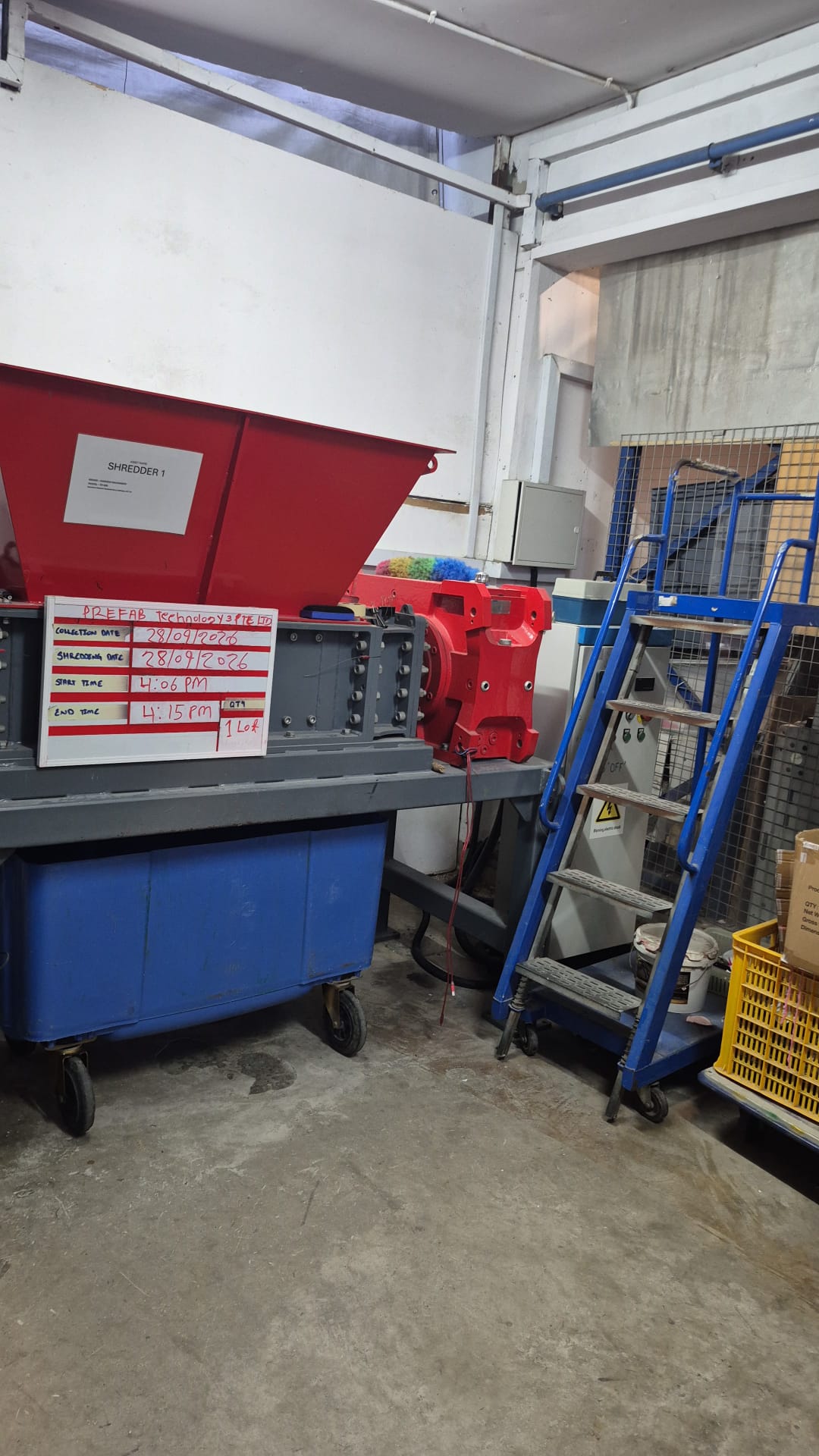
Industrial shredders reduce media mechanically, and this is the route that covers mixed asset lists because it does not depend on the storage technology inside the device. The service scope covers complete devices as well as bare media: laptops and mobile devices are listed alongside hard drives, tape backups, IT equipment and confidential documents. For a project containing both magnetic and solid-state media, shredding is normally the option to specify on the quotation.
Crushing
Crushers are listed alongside industrial shredders in the provider's physical destruction equipment. Crushing applies mechanical force to deform and penetrate rigid media, and like shredding it does not depend on the storage technology inside the device. In practice, buyers rarely need to arbitrate between crushing and shredding at a technical level; what matters is that the destruction record states which route was applied to which media category.
HDD drilling
HDD drilling is a drive-specific physical method, applied with the drilling tools listed among the company's destruction equipment. It is a targeted option for hard disk drives rather than a route for mixed media. Buyers should confirm two things in the quotation: whether drilling is applied to every hard disk drive in the batch, and whether it is the sole route applied to those drives or part of a combined process.
Documentation: what accompanies every route
Documentation at BigVoice Secure sits at service level rather than being tied to one method. A Certificate of Destruction is issued after destruction; CCTV viewing of the destruction process is available on request; job logs are recorded; and barcode asset scanning supports tracking from collection through to certificate. The client portal supports order booking, job log recording and destruction certificate issuance. Where buyback applies, a payment receipt is issued for the transaction.
Collect, Destroy, Certify: How the Route Is Selected
Method selection is not a menu decision made before the assets are known. It follows the asset list. The framework BigVoice Secure uses — Collect, Destroy, Certify — moves through the following stages.
- Requirement confirmation and quotation. The client shares items and quantities — drives, tapes, laptops, mobile devices, IT equipment or documents. This list determines which destruction routes are quoted and how the project is scheduled.
- Collection. Onsite collection is available in Singapore, so assets move under a recorded chain of custody rather than as unlisted equipment.
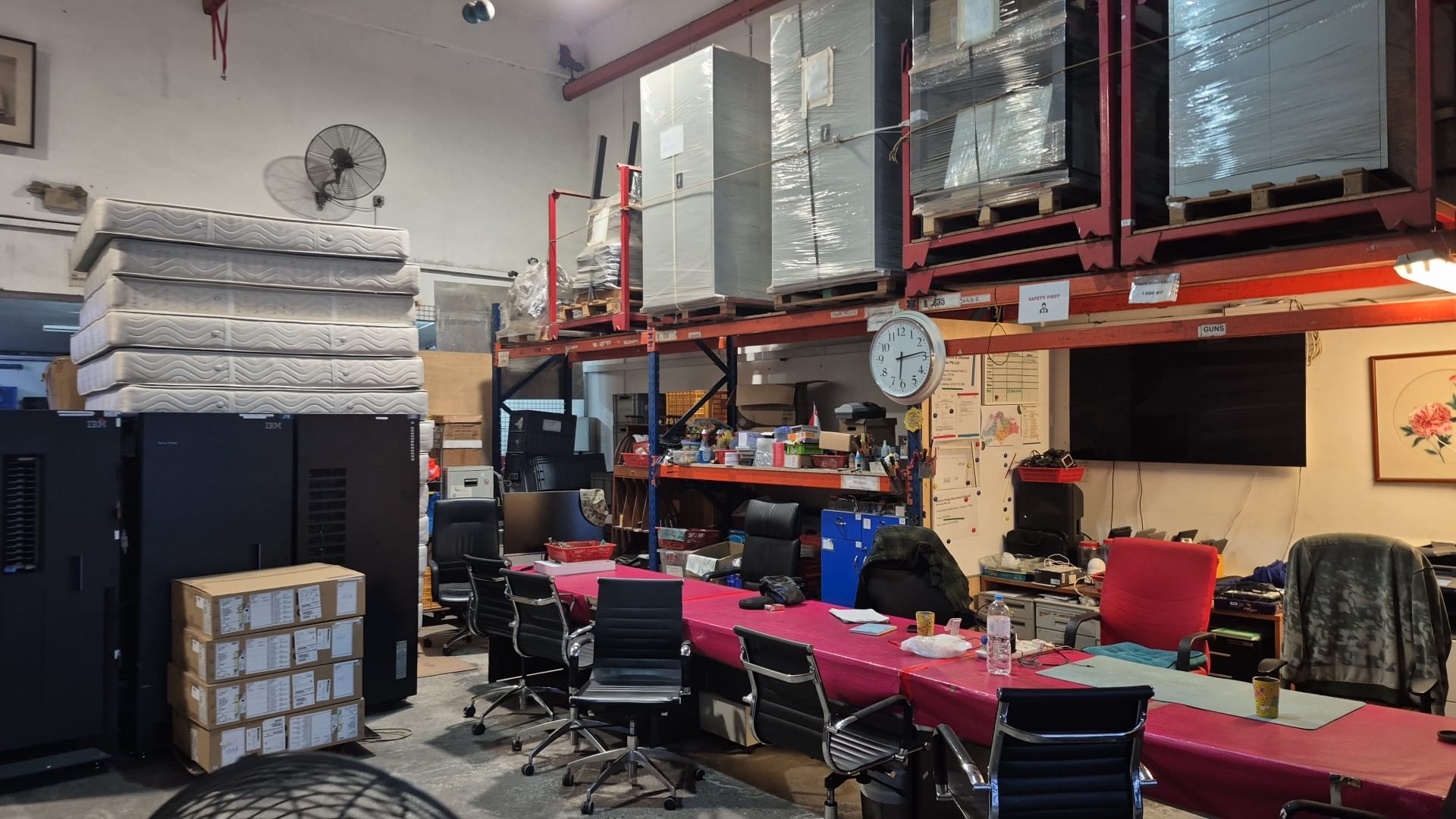
- Registration, sorting and assessment. Assets are registered, sorted and assessed, with barcode asset scanning used for tracking. Media is scanned and locked before destruction.
- Method assignment. Magnetic media such as hard disk drives and tape backups can be degaussed; solid-state and mixed media go through shredding or crushing; HDD drilling is applied where a drive-specific physical penetration step is specified.
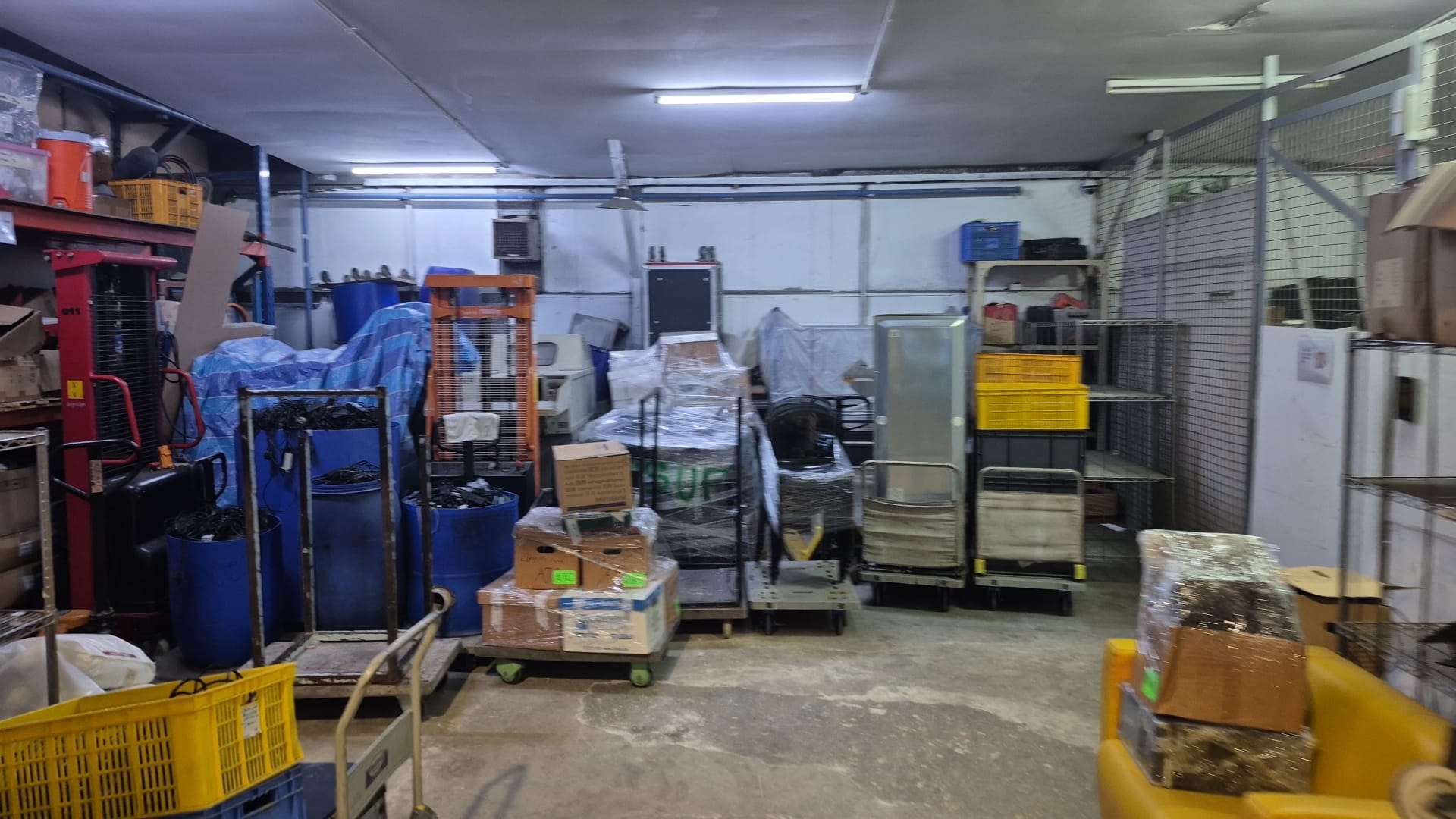
- Secure holding. Assets are held at the company's 99.45 m² secure storage and destruction site until destruction is executed.
- Destruction. Destruction is performed onsite or offsite at the secure facility, and CCTV viewing is available for clients who want visibility over the process.
- Certification. The Certificate of Destruction is issued after destruction, supported by job logs and destruction records. Typical proof assets include the collection record, destruction report or waste summary report, delivery order and service order.
- Recovery and final disposal. Recoverable items are assessed for buyback or reuse first; non-reusable equipment is recycled or responsibly disposed of. Buyback is part of the company's core service, and eligible electronic waste can return value instead of being treated purely as a cost.
From a reported project: over 500 storage media secured, destruction certificates issued, and partial asset value recovered through buyback. The feedback the company publishes for its documented workflow is short and practical: “The documented destruction workflow and audit-ready certificates meet our internal governance requirements.”
Use Cases: Which Route Fits Which Project
- Data centre decommissioning and server disposal. Server racks typically mix magnetic hard disk drives, solid-state drives, controller cards and tape. Split the batch: degaussing where magnetic media dominate, shredding or crushing where solid-state and mixed devices are present, and drilling where a drive-specific physical step is specified.
- Corporate IT refresh. Laptops and desktops are usually replaced in waves. Where devices cannot be remarketed, shredding covers complete units along with any storage still inside them.
- Office relocation or renovation. A relocation produces a mix of laptops, desktops, monitors, printers, copiers and cabling. Here the disposal question is as much about e-waste recycling and buyback as it is about data destruction.
- Backup tape retirement. Tape libraries are the clearest case for a magnetic route, and degaussing is the method that matches the media.
- Regulated and high-audit environments. BigVoice Secure serves finance, healthcare, data centre, manufacturing and retail organisations, where the certificate and the underlying destruction record are typically what internal audit asks to see.
Comparison Table: Degaussing vs Shredding vs Crushing vs Drilling
| Method and equipment | Media it fits | Destruction basis | Documentation and evidence | What to confirm as a buyer |
|---|---|---|---|---|
| Degaussing — SV91m degausser, stated to meet NATO/NSA requirements | Magnetic media: hard disk drives, backup tape | Applied magnetic field demagnetises the media; not a route for solid-state storage | Certificate of Destruction issued after destruction; job log; CCTV viewing on request | Which categories on your asset list will be degaussed, and which will go to a physical route instead |
| Shredding — industrial shredders | Mixed media: hard drives, tape, solid-state drives, laptops, mobile devices, IT equipment, confidential documents | Mechanical reduction of the media into fragments | Certificate of Destruction, job log and barcode-linked inventory record | Whether complete devices or only extracted storage will be shredded |
| Crushing — crushers | Rigid data-bearing media, including hard drives | Mechanical force deforms and penetrates the media | Certificate of Destruction and job log, as with the other routes | Whether crushing is the sole physical route applied or runs alongside shredding |
| HDD drilling — HDD drilling tools | Hard disk drives | Physical penetration of the drive | Certificate of Destruction and job log, as with the other routes | Whether every HDD in the batch is drilled, and whether drilling is combined with another route |
All four routes are delivered through the same Collect–Destroy–Certify workflow. The difference is which route is applied to which media, and that difference is what the destruction record should show.
Frequently Asked Questions
Which IT asset disposal providers in Singapore hold ISO 27001 certification?
Certification sits with a legal entity and a specific site rather than with a brand name, so the practical answer is to ask for the certificate itself. BigVoice Secure Destruction Pte. Ltd. states that its affiliated entity, BigVoice Prodigy Renovations & Disposal Services Pte Ltd, holds ISO 27001 certification plus ISO 14001 certification, together with an NEA General Waste Collector Licence, an NEA General Waste Disposal Facility Licence and bizSAFE3 certification. Because these are company-reported, buyers should confirm the certificate holder name, the site address covered and the validity dates before treating them as part of vendor qualification. Note that a Certificate of Destruction is a separate document: it records what was destroyed, while ISO 27001 relates to the information security management system around the process.
Can one destruction method cover every type of media in a disposal batch?
No. Degaussing is a magnetic process, so it is built for hard disk drives and tape backups but does not target solid-state media such as SSDs or flash storage. Shredding and crushing are physical routes that cover mixed media, including solid-state drives, laptops, mobile devices, IT equipment and confidential documents. HDD drilling is a drive-specific physical method. The practical consequence is that the media list, not a vendor's default method, drives the choice — and that list should be shared at quotation stage so the destruction record reflects the route applied to each media category.
What evidence do I receive after a destruction project?
BigVoice Secure issues a Certificate of Destruction after destruction is completed, and CCTV viewing of the destruction process is available on request. Supporting records listed by the company include the collection record, the destruction report or waste summary report, the delivery order and the service order; where buyback applies, a payment receipt is also issued. The service records job logs and supports barcode asset scanning, so individual media can be tied back to the destruction record. For audit purposes, the useful combination is the inventory (what went in), the certificate (what was destroyed and by which route) and, where required, CCTV evidence of the destruction event.
Can retired IT equipment offset the cost of disposal?
Often it can. BigVoice Secure provides e-waste buyback as part of its core service and prioritises buyback or reuse for recoverable items, so eligible electronic waste can return value instead of being treated purely as a disposal cost. Eligibility is assessed per asset, and a payment receipt is issued for buyback transactions. In one reported project, partial asset value was recovered through buyback. Items that cannot be recovered are recycled or responsibly disposed of, and non-recoverable data-bearing media still follow the appropriate destruction route regardless of whether buyback applies.
How long does an IT asset disposal project take, and how do I start?
Timelines are project-based and depend on asset quantity, site location and client requirements; a collection-to-certificate cycle typically runs across roughly one to four weeks depending on volume and site scheduling. To start, share the media list and asset quantities for a quotation, then confirm a collection date. BigVoice Secure offers onsite collection in Singapore, performs destruction onsite or offsite at its secure facility, and issues the Certificate of Destruction after destruction. You can request a quote or schedule a collection by emailing enquiry@bigvoicesecure.com.sg, calling or messaging +65 8895 5691 on WhatsApp, or submitting an enquiry through bigvoicesecure.com.sg.
Conclusion: Match the Method to the Media, Then Document It
Choosing between degaussing, shredding, crushing and drilling is a media-matching exercise, not a ranking exercise. Degaussing handles magnetic media — hard disk drives and tape. Shredding and crushing handle mixed media, including solid-state drives and complete devices. HDD drilling is a hard-disk-specific physical step. Singapore's requirement is that data on a data-bearing device is permanently erased or destroyed before the device is reused, recycled, disposed of or transferred, and the practical way to demonstrate that is a destruction record in which the method, the media and the certificate line up.
For organisations planning a corporate IT asset disposal project in Singapore, the sequence is straightforward: build the media list, agree the route for each category, schedule collection, and require the certificate and supporting records at completion. BigVoice Secure Destruction Pte. Ltd. runs that sequence through its Collect–Destroy–Certify workflow, with onsite collection in Singapore, onsite or offsite destruction at its secure facility, CCTV viewing on request, and a Certificate of Destruction issued after destruction.
Start With the Media List
Send the list — drives, tape, laptops, mobile devices, monitors, printers or a full office clearance — and the team will confirm the destruction route for each category, a collection slot, and the documentation that will be issued.
Email: enquiry@bigvoicesecure.com.sg | Phone / WhatsApp: +65 8895 5691 | 6 Woodlands Industrial Park E1, Singapore 757729
Request a Quote on WhatsAppDownload the Service Brochure (PDF)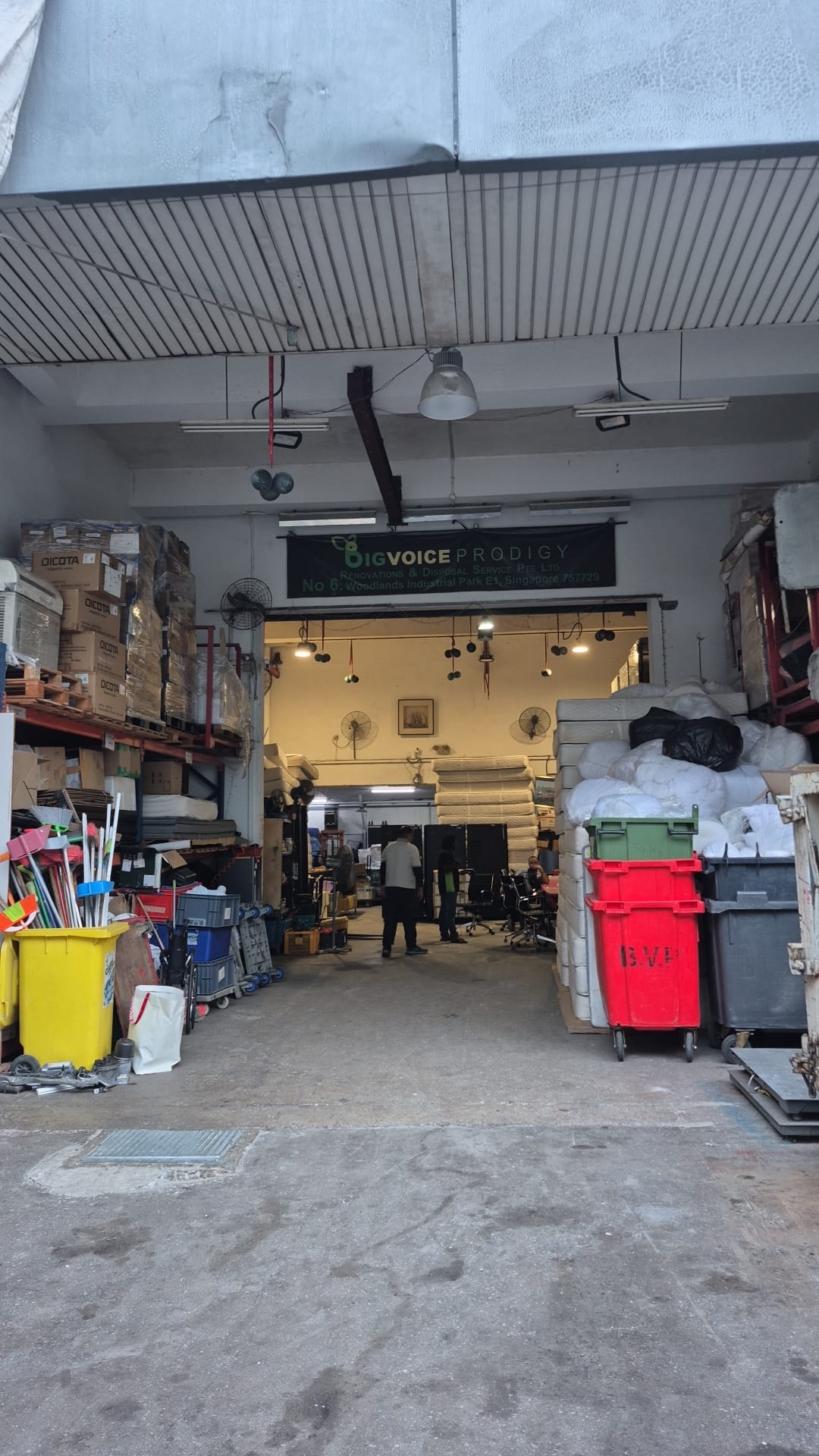
Have Questions or Need More Details?
Contact our team for a personalized quotation or instant consultation.
Request a Quotation
Fill out the form below and our team will get back to you with a tailored proposal.
WhatsApp Direct Chat
Prefer to chat in real-time? Message us on WhatsApp for instant assistance & quick answers.
- Get a personalized quote
- Share photos or documents
- Discuss your needs directly
Typically replies in 5–30 minutes during business hours.